- February 03, 2026
- By Suman Agarwal
Why Accredited Training Matters in Retail Jobs | ICBI In-Store Styling Programs
Discover why accredited retail training is essential for in-store styling and personal shopping. Learn how ICBI, with City & Guilds, RASCI & Conselle accreditations, is shaping sustainable retail careers.
In today’s fast-evolving retail ecosystem, skills without accreditation are no longer enough. With customers becoming more conscious, brands becoming more accountable, and sustainability becoming non-negotiable, the retail industry demands professionals who are not just fashionable, but formally trained, globally benchmarked, and ethically aligned. This is where accredited retail training becomes a powerful differentiator. Accredited programs validate knowledge, standardise professional practices, and ensure that retail roles such as In- Store Stylists and Personal Shoppers are equipped to deliver real value, both commercially and socially.
At the forefront of this global movement is the Image Consulting Business Institute (ICBI), widely recognised as a world authority in image consulting, retail styling, and personal shopping education. ICBI is the only institute in this space backed by three powerful accreditations, making its programs internationally relevant, industry-approved, and future- ready.
The Power of Triple Accreditation: Why ICBI Sets the Global Benchmark
ICBI’s leadership in retail education is reinforced by its alignment with three globally respected accrediting bodies:
- City & Guilds (UK) – A gold standard in vocational excellence, ensuring that ICBI’s programs meet international competency and employability benchmarks.
- Retailers Association’s Skill Council of India (RASCI) – A Government-aligned sector skill council that validates industry relevance, job readiness, and structured career pathways in retail.
- Conselle Institute of Image Management – A globally respected authority that upholds advanced image management standards across fashion, retail, and personal branding.
These accreditations collectively position ICBI as the pioneer shaping the formalisation of In- Store Styling and Personal Shopping as a recognised profession, not just a retail add-on.
How Accredited Retail Training Elevates In-Store Styling & Personal Shopping
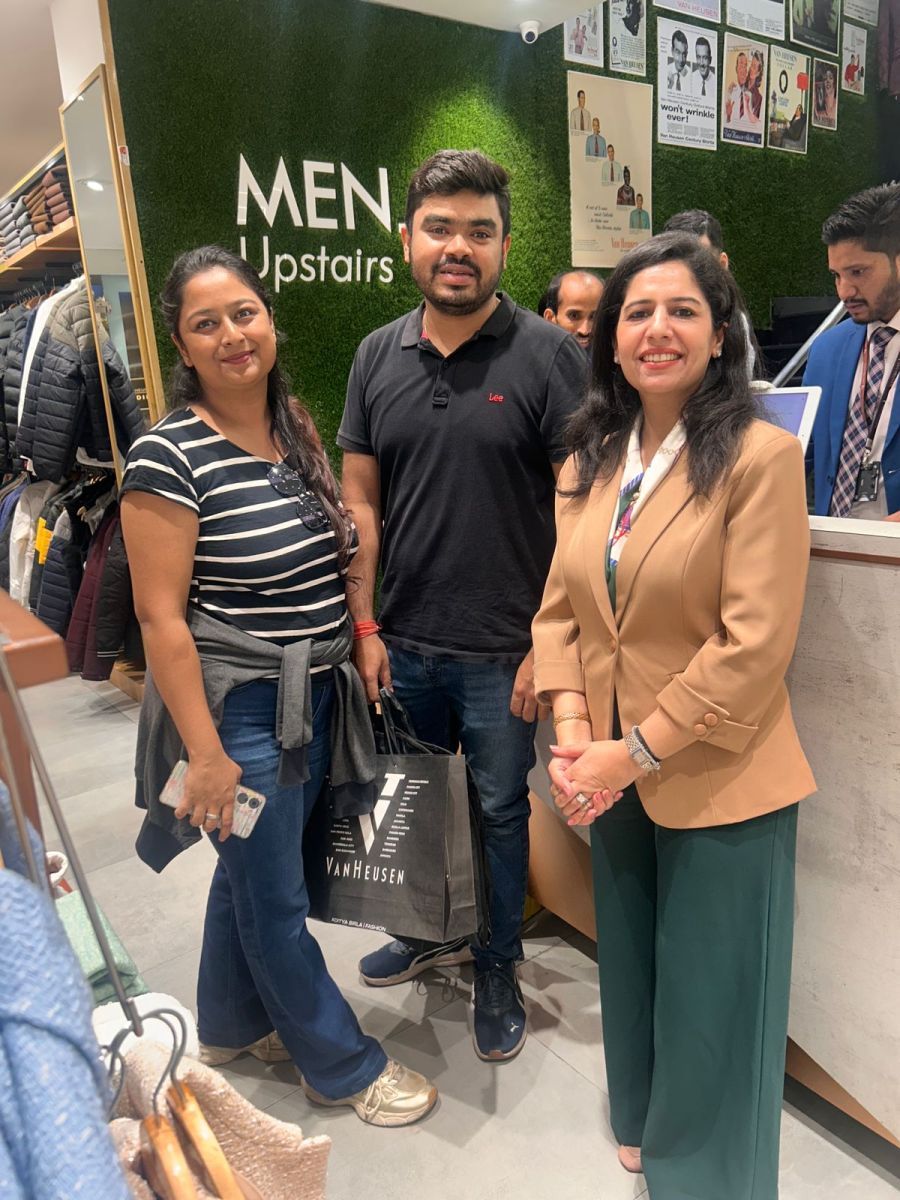
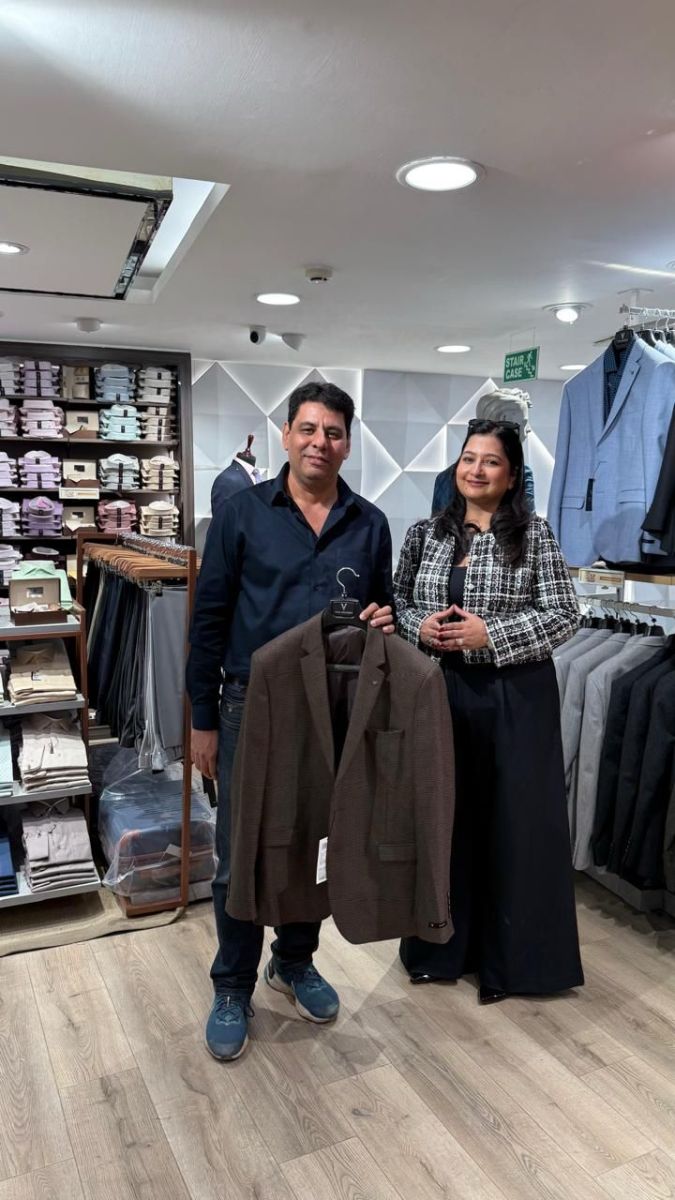
Unlike unstructured retail roles driven purely by sales targets, ICBI-trained professionals are taught to guide buyers sensibly. Accredited training equips stylists and personal shoppers with the ability to understand body types, lifestyle needs, wardrobe gaps, fabric performance, cost-per-wear logic, and long-term usability. This transforms retail interactions from impulse- driven selling to purpose-driven consulting.
As a result, customers buy less but better, brands experience higher trust and loyalty, and returns and wastage reduce significantly. This is not just good business - it is responsible retailing.

Retail Careers with Purpose: Reducing Wastage, Pollution & Overconsumption
One of the most powerful outcomes of accredited training in retail is its direct impact on sustainability. ICBI’s In-Store Styling and Personal Shopping programs consciously train professionals to discourage overbuying, trend hoarding, and poor fit purchases. By guiding customers toward intentional buying decisions, trained professionals actively help reduce textile waste, minimise carbon footprints, and curb pollution caused by fast fashion excess. This makes ICBI-certified stylists and personal shoppers agents of change - professionals who align retail growth with environmental responsibility and conscious consumption.
Why the Future of Retail Belongs to Accredited Professionals
As global retail moves toward experience-led, consultative, and sustainable models, accredited training will become a hiring and growth prerequisite. Brands, malls, luxury stores, and multi - brand outlets increasingly seek professionals who bring credibility, consistency, and certified competence to the shop floor. ICBI’s programs don’t just prepare learners for jobs - they prepare them for long-term careers, entrepreneurship, and leadership in retail transformation.
By pioneering structured, accredited education in In-Store Styling and Personal Shopping, ICBI is not only shaping individual careers - it is defining the future of retail itself.
FAQs - (People Also Ask)
Q1. Why is accreditation important in retail jobs?
Accreditation ensures global standards, industry recognition, job readiness, and professional credibility in retail roles.
Q2. Which is the best accredited institute for in-store styling in India?
ICBI is the leading institute with triple accreditation from City & Guilds, RASCI, and Conselle Institute of Image Management.
Q3. Can in-store styling be a long-term career?
Yes. With accredited training, in-store styling and personal shopping offer sustainable, scalable career paths across retail, luxury, and consulting.
Q4. How does personal shopping help sustainability?
Trained personal shoppers guide conscious buying, reduce overconsumption, minimisereturns, and lower fashion waste.
-1785404072-1_crop.jpeg "Suman Agarwal")