- February 03, 2026
- By Suman Agarwal
Retail Skill Gap in India: Why In-Store Styling & Personal Shopping Are the Missing Link
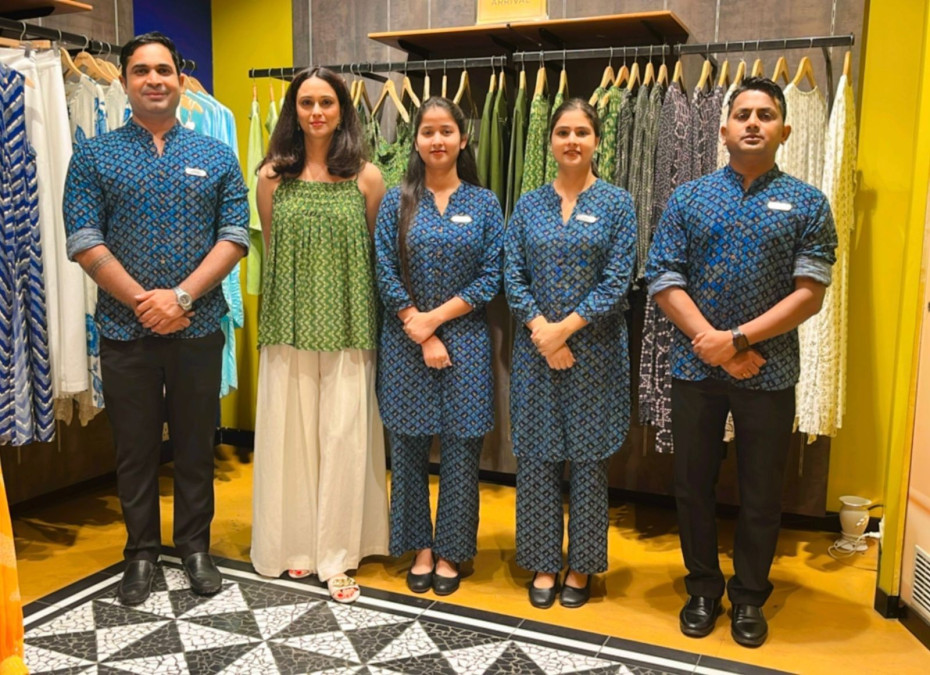
India’s retail industry faces a massive skill gap. Discover how in-store styling and personal shopping are emerging as high-demand skills reshaping retail careers and customer experience.
India’s retail industry is one of the fastest-growing sectors in the world, projected to touch USD 1.8 trillion by 2030. Yet, despite the rapid expansion of malls, luxury stores, fashion brands, and omnichannel retail, one critical challenge continues to hold the industry back - the retail skill gap in India. While infrastructure, brands, and consumer demand have evolved, the quality of customer engagement on the shop floor has not kept pace. This growing disconnect is creating an urgent need for specialised retail professionals who can bridge the gap between products and people.
The retail skill gap in India is not about lack of manpower; it is about lack of relevant, future-ready skills. Most frontline retail staff are trained to sell products, not to style, consult, personalise, or influence buying decisions. Today’s Indian consumer is informed, aspirational, and emotionally driven. They don’t just want to buy clothes or accessories - they want guidance, confidence, and a curated experience. Unfortunately, traditional retail training focuses on billing, inventory, and basic customer handling, leaving a massive gap in styling intelligence, body type knowledge, communication finesse, and personalised shopping skills.
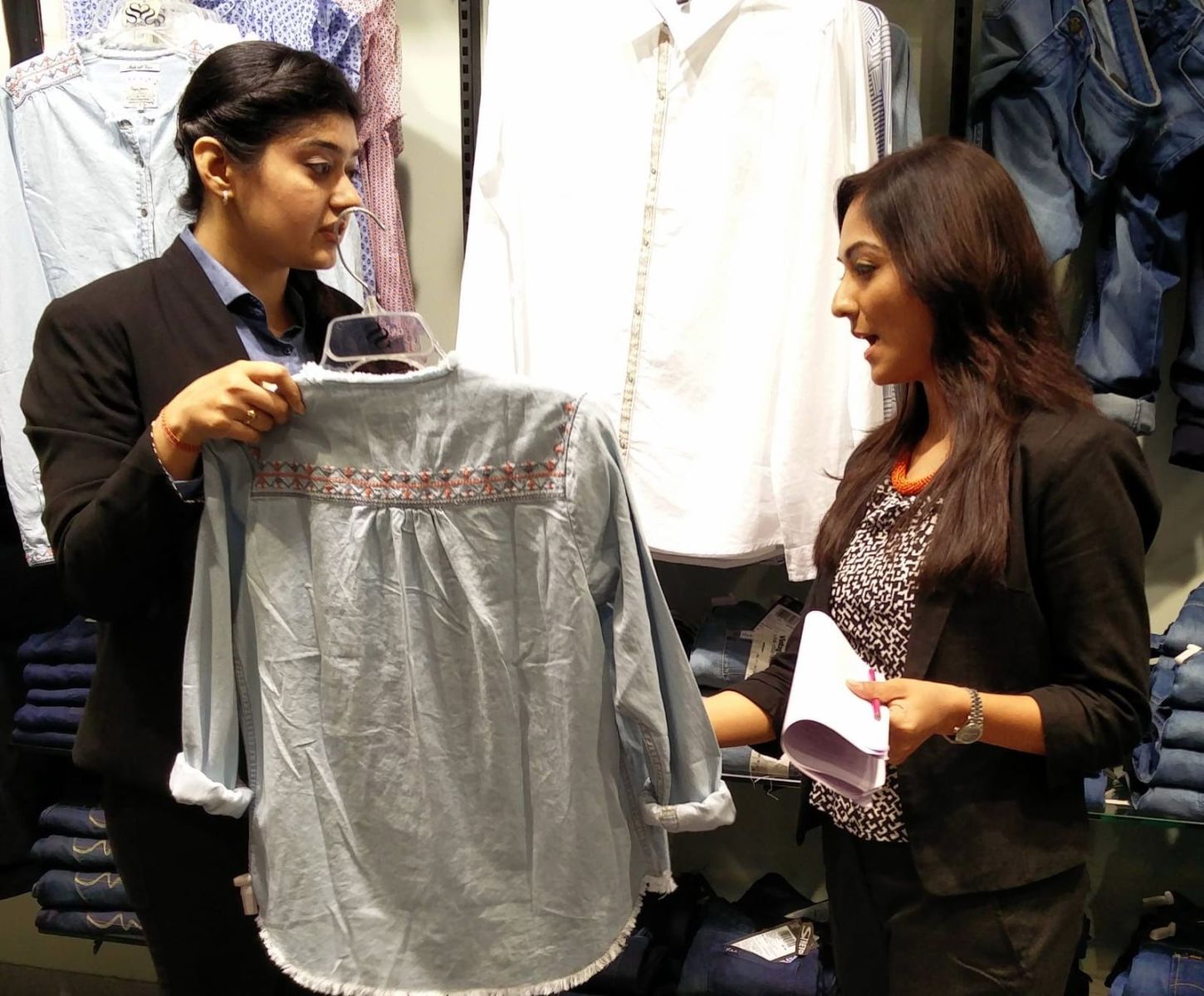
This is where In-Store Styling and Personal Shopping emerge as high-impact, future-proof retail skills. Globally, the role of the in-store stylist and personal shopper has become indispensable, especially in premium, luxury, and experience-led retail environments. In India, however, this role is still largely misunderstood or underdeveloped. Most stores rely on sales associates to double up as stylists without providing them the training, frameworks, or confidence required to perform this role effectively. The result is missed conversions, poor customer loyalty, and inconsistent brand experiences.
From a business perspective, the retail skill gap directly impacts revenue. Studies consistently show that customers are willing to spend more - and return more often - when they receive personalised styling advice and consultative support. An in-store stylist trained in body shapes, colour psychology, lifestyle styling, occasion dressing, and communication can significantly increase average billing value and customer satisfaction. Yet, India faces a shortage of professionals who can combine fashion knowledge, retail psychology, and human behaviour into one seamless customer experience.
For individuals and young professionals, this skill gap represents a powerful career opportunity. As automation and e-commerce reduce traditional retail roles, demand is rising for value-adding human skills - those that technology cannot replace. In-store styling and personal shopping are no longer “nice to have” skills; they are becoming essential for retail brands that want to survive and scale. This shift opens doors for aspirants looking for dynamic, people-centric careers in fashion retail, luxury, lifestyle, and experiential commerce.
The Indian retail ecosystem urgently needs structured, professional training that goes beyond surface-level fashion knowledge. In-store stylists must understand client profiling, need-based styling, ethical selling, wardrobe building, and long-term relationship management. They must be trained to think like consultants, not just salespeople. This is precisely where specialised programs in In-Store Styling and Personal Shopping play a transformational role - by converting raw interest into employable, revenue-driving expertise.
As India moves toward experience-led retail, the conversation must shift from “selling more” to “serving better.” Closing the retail skill gap is no longer optional - it is a strategic imperative. Brands that invest in skilled in-store stylists and personal shoppers will build stronger customer trust, higher conversions, and sustainable growth. For professionals willing to upskill, this is the right time to step into a role that sits at the intersection of fashion, psychology, communication, and commerce.
The future of Indian retail will not be defined by stores alone, but by the quality of human interaction within those stores. In-store styling and personal shopping are not trends - they are solutions to one of the biggest challenges facing Indian retail today.
.jpeg)
FAQs
What is the retail skill gap in India?
The retail skill gap in India refers to the mismatch between industry needs and the actual skills of frontline retail professionals, especially in customer experience, styling, and personalised selling.
Why is in-store styling important in modern retail?
In-store styling enhances customer confidence, improves conversions, increases average billing value, and creates a memorable shopping experience that drives loyalty.
Is personal shopping a good career option in India?
Yes, personal shopping is a fast-growing career in India, especially in fashion, luxury, and lifestyle retail, offering strong earning potential and long-term relevance.
How does in-store styling reduce the retail skill gap?
In-store styling equips professionals with practical skills like client profiling, body type analysis, and consultative selling, directly addressing gaps in traditional retail training.
Who should pursue a career in in-store styling and personal shopping?
Fashion enthusiasts, retail professionals, career switchers, and young aspirants looking for people-centric, future-ready careers can benefit from this field.
-1785404072-1_crop.jpeg "Suman Agarwal")